Fucogold
Top 14 Heart-Blood-Based Foods You Should Avoid Every Day
Jul
Identifying foods that are bad for cardiovascular health plays a crucial role in preventing dangerous diseases such as high blood pressure, atherosclerosis, and stroke. An unhealthy diet can increase cholesterol and directly affect the vascular system. In this article, Fucogold will help clarify which food groups should be limited to protect cardiovascular health effectively and sustainably
1. Why is it important to identify foods that are bad for your heart?
Identifying foods that are harmful to cardiovascular health is crucial for controlling the risk of heart disease early on. Many studies show that diet directly affects cholesterol levels, blood pressure, and the condition of blood vessels.
Regular consumption of unhealthy foods, especially fried, processed, or sugary foods, can lead to metabolic disorders, creating conditions for heart disease to develop. Saturated and trans fats increase bad cholesterol (LDL) and decrease good cholesterol (HDL), thereby promoting plaque formation in the arteries.
2. List of 14 Heart-Blood-Blood-Blooding Food Groups to Avoid
The following foods can increase cholesterol, blood pressure, and affect blood vessels. Identifying and limiting them helps effectively reduce the risk of cardiovascular disease.
2.1. Refined Grains Refined
grains such as white bread, white rice, or pastries have had most of their fiber and important micronutrients removed. When consumed, they are digested quickly, causing a sudden increase in blood sugar and metabolic disorders if used regularly. This long-term situation can contribute to an increased risk of cardiovascular disease and diabetes.
2.2. Fast food
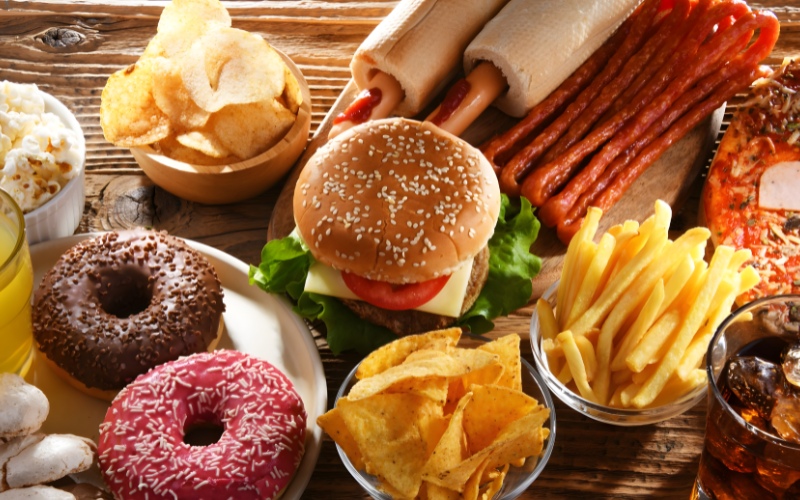
Fast food like fried chicken, french fries, and pizza often contains high amounts of saturated fat, salt, and calories. Regular consumption not only leads to weight gain but also affects cholesterol and blood pressure. This is a group of foods that should be consumed in moderation to reduce the risk of cardiovascular disease.
2.3. Carbonated soft drinks
Carbonated soft drinks contain large amounts of sugar, especially added sugars like fructose, which can increase triglycerides and bad cholesterol in the blood. Regular consumption is also linked to obesity and type 2 diabetes – major risk factors for cardiovascular disease.
2.4. Processed foods
Products like sausages, cured meats, and bacon often contain high levels of salt, fat, and preservatives. These ingredients can increase blood pressure and cause lipid disorders if consumed long-term. This is a group of foods that need to be carefully controlled in a diet.
2.5. Alcoholic beverages
Drinking alcohol in large quantities can increase blood pressure, affect heart rate, and damage the heart muscle. Furthermore, alcohol abuse is linked to dyslipidemia and numerous other health problems.
2.6. Foods high in sugar
Sweets, desserts, and sugary foods can increase inflammatory responses in the body. They also contribute to higher levels of bad cholesterol and fat accumulation, thereby affecting cardiovascular health.